Since the start of nationwide war in Sudan, from April 2023, the community kitchens – or Takaya – have provided the main form of aid. International organisations, who used to provide the bulk of humanitarian aid in Sudan’s earlier crises, withdrew at the start of the war and even in 2026 do not have access to all those affected. Security, logistical and funding constraints limit the scale of their assistance. It has been left to Sudanese people themselves to provide aid.
The takaya have re-emerged from the deeply rooted Sudanese tradition of solidarity and have provided crucial life-saving assistance. Takaya are sometimes organised by the now well-known and twice Nobel peace prize nominated Emergency Response Rooms (ERRs) but also by many other local community groups and organisations. This photo series, prepared by Tamer Abd Elkreem and Susanne Jaspars, sheds light on how they work, receiving digital financial donations from Sudanese (in and outside Sudan), by international organisations, and sporadic in-kind aid from local communities and charitable people.
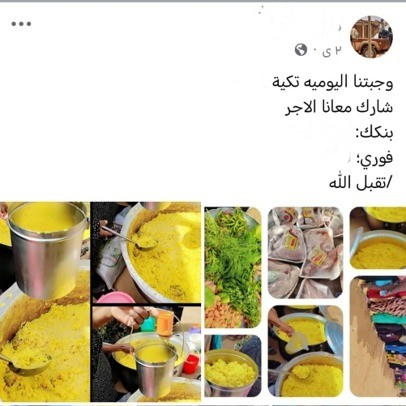
The takaya combine digital and physical aid. Community groups raise funds through social media posts and receive funds via digital financial transfers using the banking app from the Bank of Khartoum (Bankak). Digitally sharing pictures of food distributed provides a means of accountability and transparency. The food itself, however, is provided physically, and so includes the many who are digitally excluded. This is important because many of the poorest or marginalised populations do not have smartphones, bank accounts (or the ID documents needed to set these up) or access to the internet to receive individual financial transfers. In this way, collective financial transactions can reach those most in need.
Not all is positive, however. The groups running the community kitchens work under extreme conditions. Sudan’s army (Sudan Armed Forces) and militia (Rapid Support Forces), who now control different parts of the country, view them with suspicion because of earlier links to revolutionary resistance committees. As such takaya organisers are subjected to harassment and intimidation. Distributing food, particularly in places under siege, is itself a political act. In Alfashir, during the 18-month RSF siege, digital money transfers and the takaya were the only forms of aid in the city (see here). When the city fell, on 26 October 2025, takaya organisers were among those killed or missing. The photos in this series are a testament to their bravery.
In applauding Sudanese civilians for organising aid and thinking how better to support local organisations, we also need to question whether they should in fact bear this disproportionate burden of responding to the effects of a war which is not their choice and in which involves many international actors.
*Click or hover over images to reveal the captions*
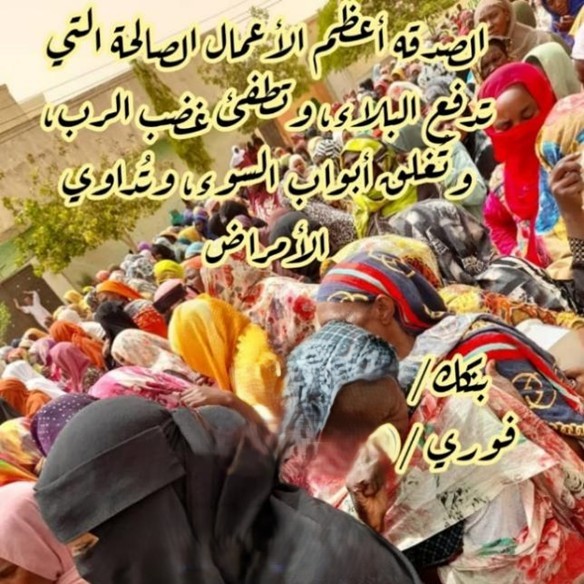
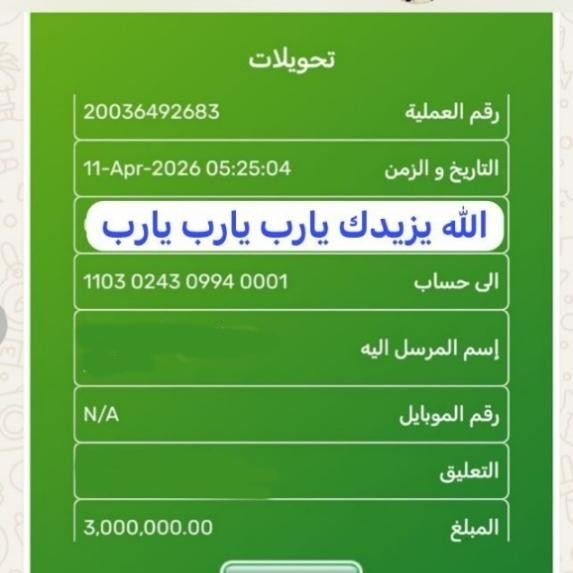
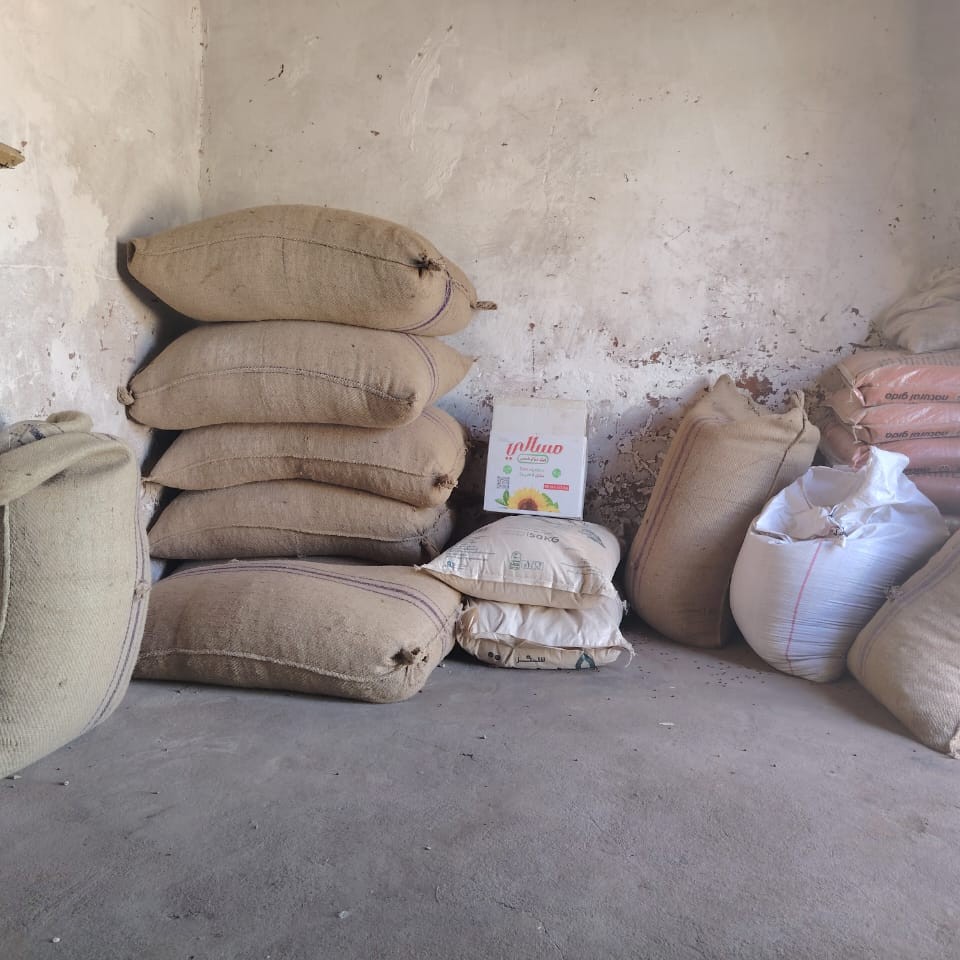
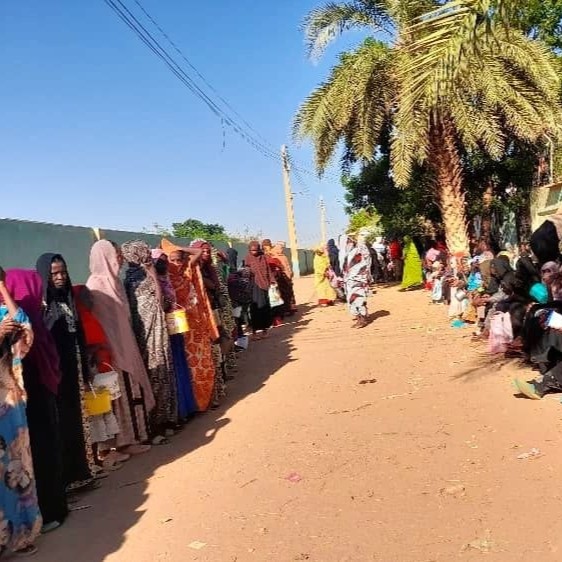
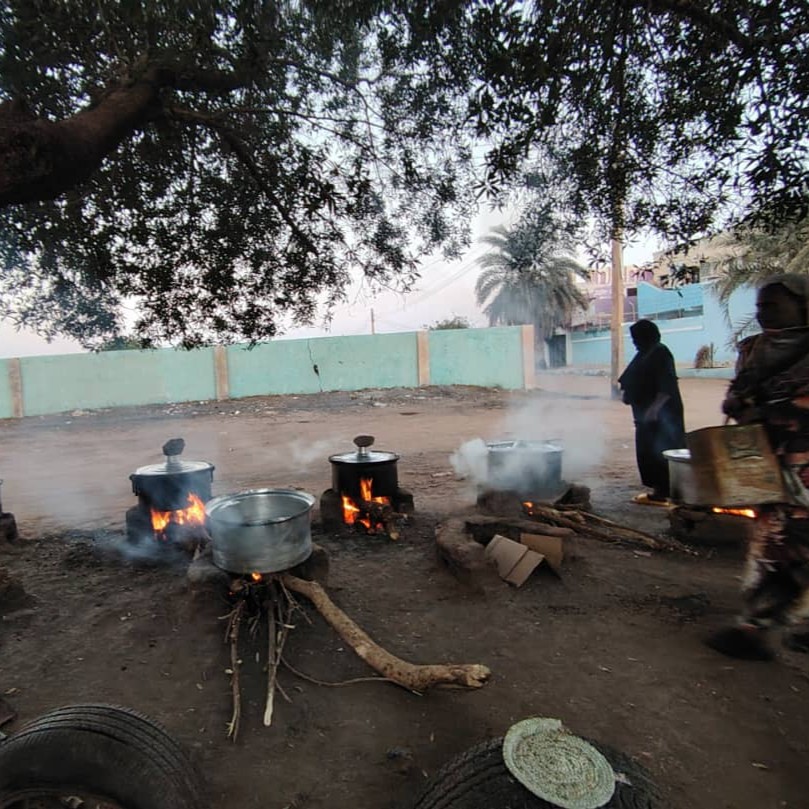
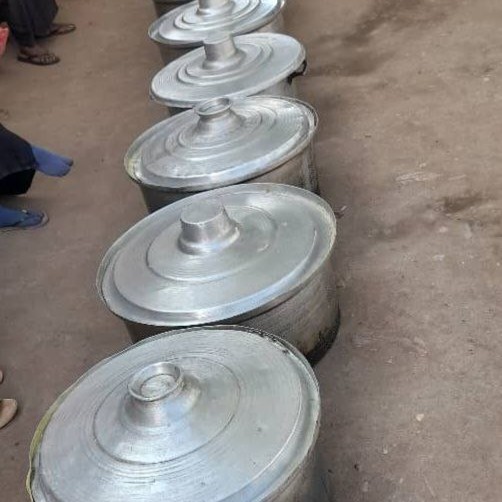
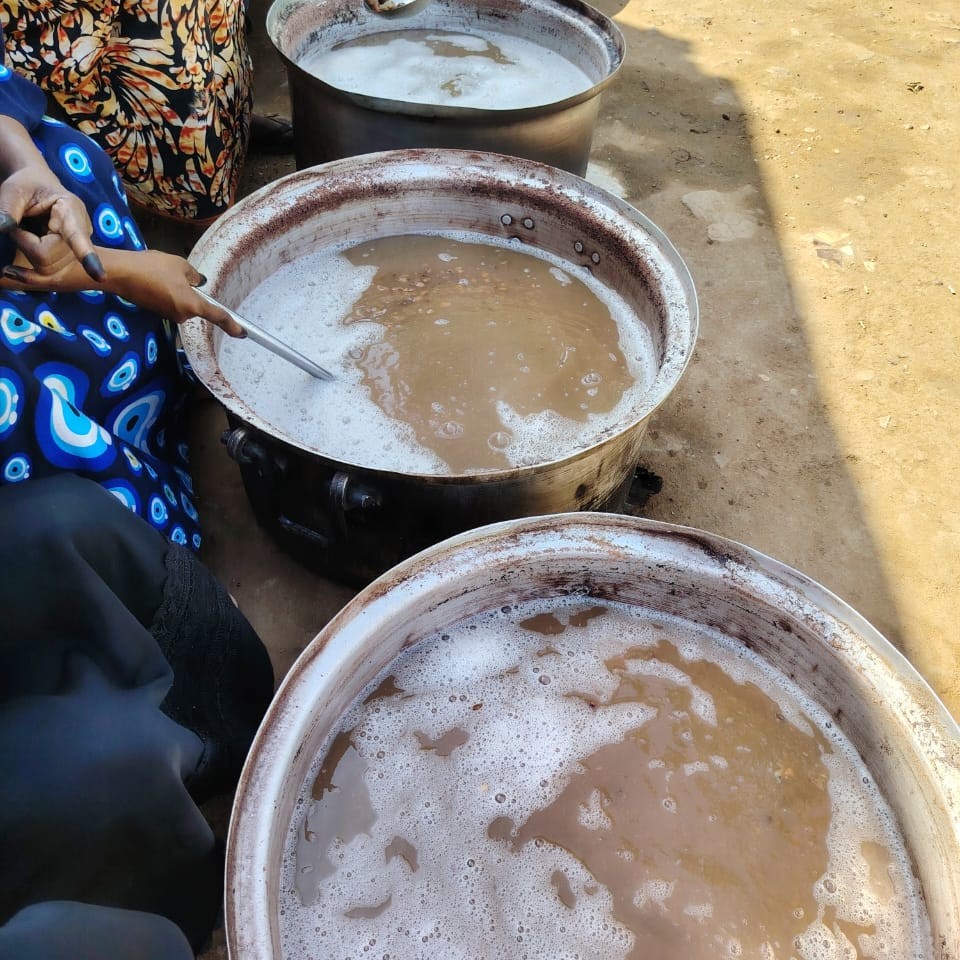
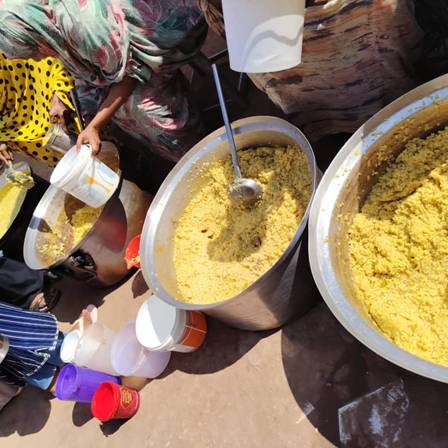
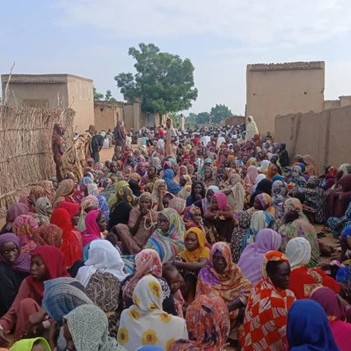
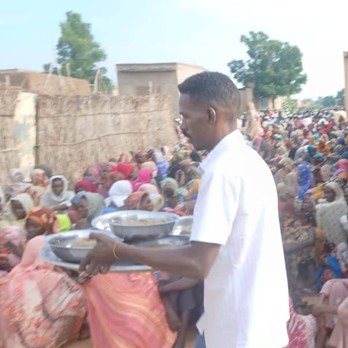
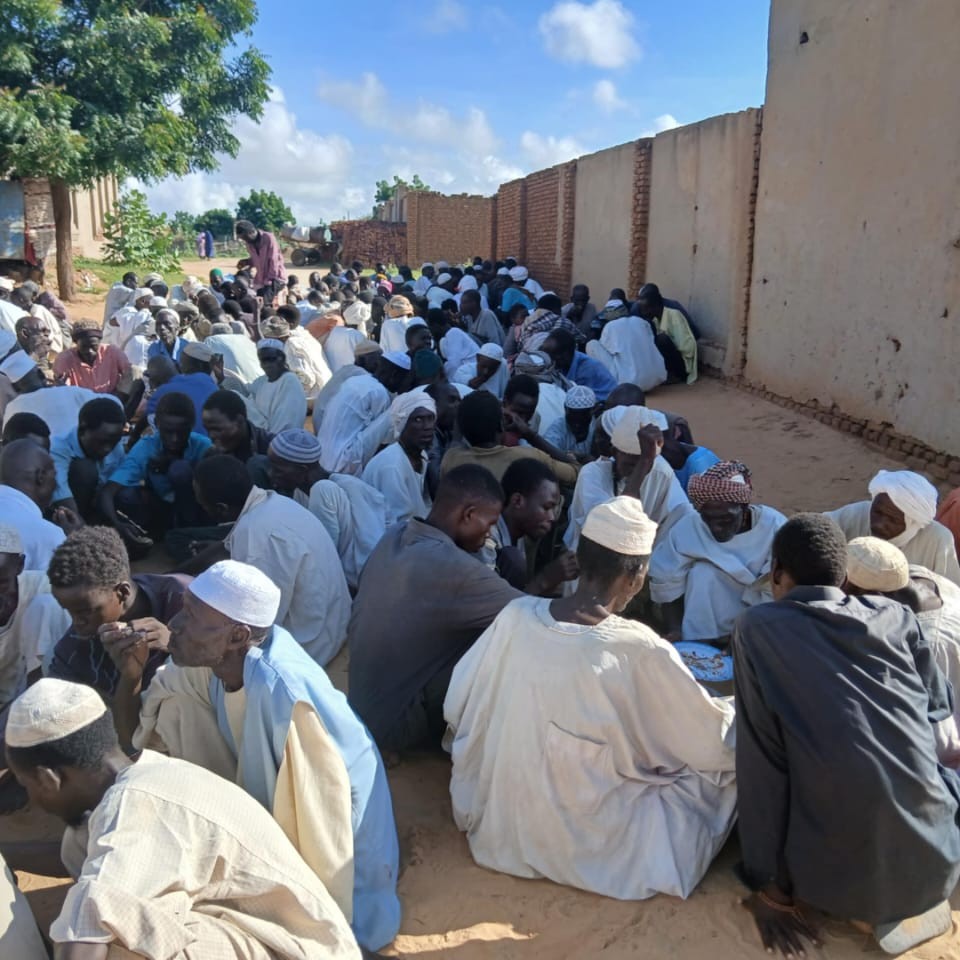
Fundraising campaigns on social media mention the (banking app) numbers to which donors should send money (they usually contain religious expressions encouraging compassion) – in Arabic it says “Charity is the greatest of righteous deeds. It repels calamity, extinguishes the wrath of God, closes the doors of evil, and heals diseases.”The Takaya share screenshots on social media with the funds received from each donor, the amounts but hiding the senders’ names and details. Most donors choose to remain anonymous, as it is widely believed that revealing one’s identity undermines the spirit of charity and taints its righteousness.Takaya also publish the food materials purchased with the funds received, including the quantities and how many days or meals those supplies can sustain. The food items typically consist of lentils, beans, onions, oil, and other essential non-perishable items that last the longest and feed the most people. Occasionally, they also provide meat. This approach ensures that the funds are utilized effectively to cover as many people as possible for the longest period.Long queues form before the takaya start distributing food, indicate how many people are in need of support. These women are waiting for food from a Takiya in Omdurman where, in the absence of other aid providers, many takaya have been established over the past 3 years. Women cooking food at a Takiya in Omdurman Food is ready to be distributed (in Omdurman) Distribution takes different forms; mostly they distribute cooked food. In this photo, women are ready to distribute cooked food to each person in turn who will take it home. In later photos you will see that people eat together at the takiya. In rare situations, takiya will distribute dry or raw food for people to cook at home. In this takiya, people have brought their own containers to take food home Huge crowds wait for a takiya to start serving food in Alfashir. This photo was taken at the height of the siege (in August 2025). At this time, digital financial transfers were still possible, but money transfer agents (often merchants) demanded high fees, and food prices had increased. In this month, it had increased by 100% in ten days; the price of sorghum inside the city was 25 times higher than outside of it. Despite this, Sudanese (and some organisations) continued to send money, as it was the only way to assist people remaining in the city. Because of the high price of food, only small quantities of food are distributed for the huge waiting crowds. Financial transfers often pay for only a few days food for a limited number of people. In addition to food, they have to pay for firewood, water, and transportation (for the food). Every one of these activities were unsafe, as the city was under continuous RSF bombardment and shelling. The number of takaya in Alfashir decreased during the last months of the siege, because food was simply not available. At the same time, the siege tightened and it became almost impossible for people to leave. Women, men, and children eat separately at the Takiya in Alfashir, but for each group they eat together on the spot as is traditional. In this way, the Takiya provides a sense of normality and social connection. Once the RSF captured Alfashir, people attempted to flee, but many were killed or detained (in particular men), and the whereabouts of many are still unknown in mid-2026. After the distribution, takiya report back by showing pictures of the distribution on social media, and simultaneously ask for new funding.