A major 3-year ESRC- funded project examining how digitalising food assistance has influenced access to food for marginalised populations and its role as a source of power. We’re working in Sudan, India and the UK. The project is situated in the SOAS Food Studies Centre.
Latest News
Publication
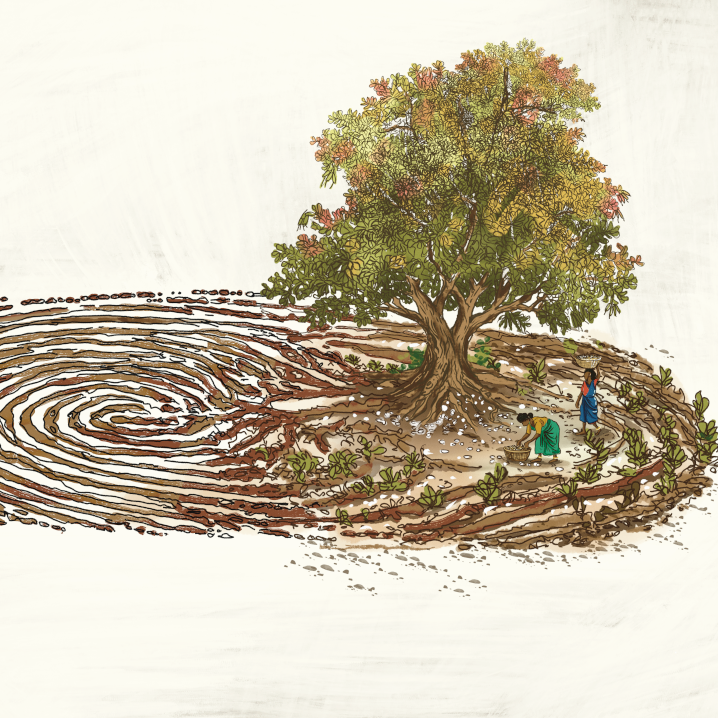
This working paper presents findings for the second, in-depth phase of the research in India. It focuses on the digitalisation of the Public Distribution System from procurement to distribution; smart and precision agriculture; and the JAM (Jan Dhan, Aadhaar, and Mobile) trinity which is the scaffolding said to hold up digital India.
Multimedia
Susanne Jaspars joins speakers from the Food Foundation, Feeding Britain, and Greater Manchester Combined authority to discuss the research findings in relation to ending dependency on emergency food parcels.
Event
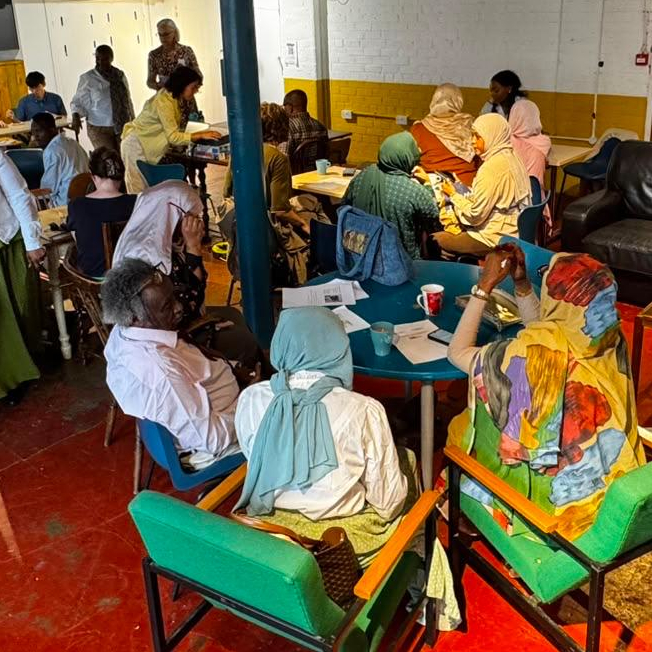
On 18 July 2026, we held a workshop entitled 'Improving food and digital access for the Sudanese community in Birmingham'.
Event
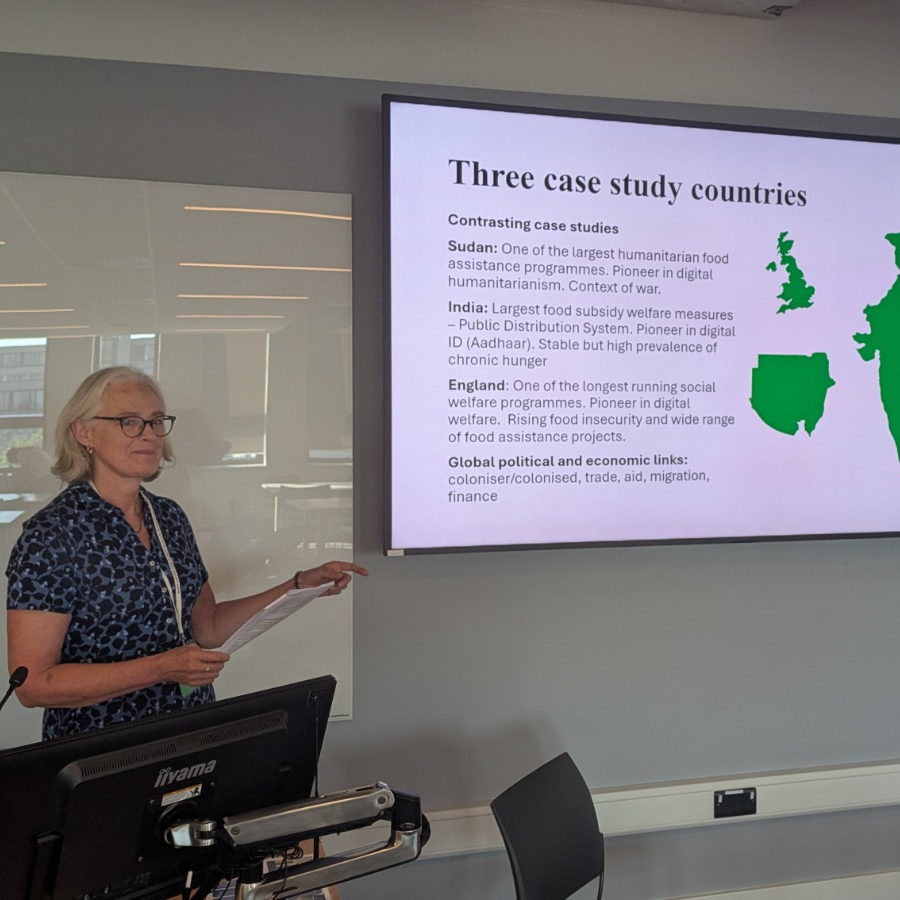
On 8 July, Susanne Jaspars presented a joint paper with C Sathyamala and Tamer Abd Elkreem in the panel on ‘The political economy of artificial intelligence (AI) technologies and development.
Publication
2 July 2026
Together with partners The Food Foundation, Yasmin Houamed, Susanne Jaspars, and Iris Lim produced this policy brief based on their research on the effects of digitalising food assistance and welfare in the UK.

Blog
July 2 2026
In this blog, Yasmin Houamed writes about how the digitalisation is reshaping the food assistance landscape and argues that the expansion of "hubs" and ‘wrap-around' services risks normalising emergency food aid.