Enmeshed in a web of digital technologies: Digitalisation in agriculture and the smallholders of India (India Photo Series)
Authored by:
In India, marginal farmers (< 1 hectare of land) and small farmers (1-2 hectares of land) own 86% of the total agrarian holdings. In the state of Chhattisgarh two-thirds of the farmers belong to this category. Digitalisation in agriculture has been positioned as beneficial to this group of smallholders.
This photoseries by C. Sathyamala, Minal Madankar and Ravindra Kurbude illustrates how the small and marginal farmers in India, who are also the poorest in the country, are at the same time enmeshed in digital technologies and largely excluded from its proclaimed benefits in agriculture.
Digital technologies were introduced by the Indian government in the early 2010s. From 2016 onwards, Aadhaar, a 12-digit unique identification number was mandated by the government for all its residents. Aadhaar links an individual’s biometrics (fingerprints of ten fingers and iris scan) and demographic information, digitally, for authentication and for receiving government welfare benefits.
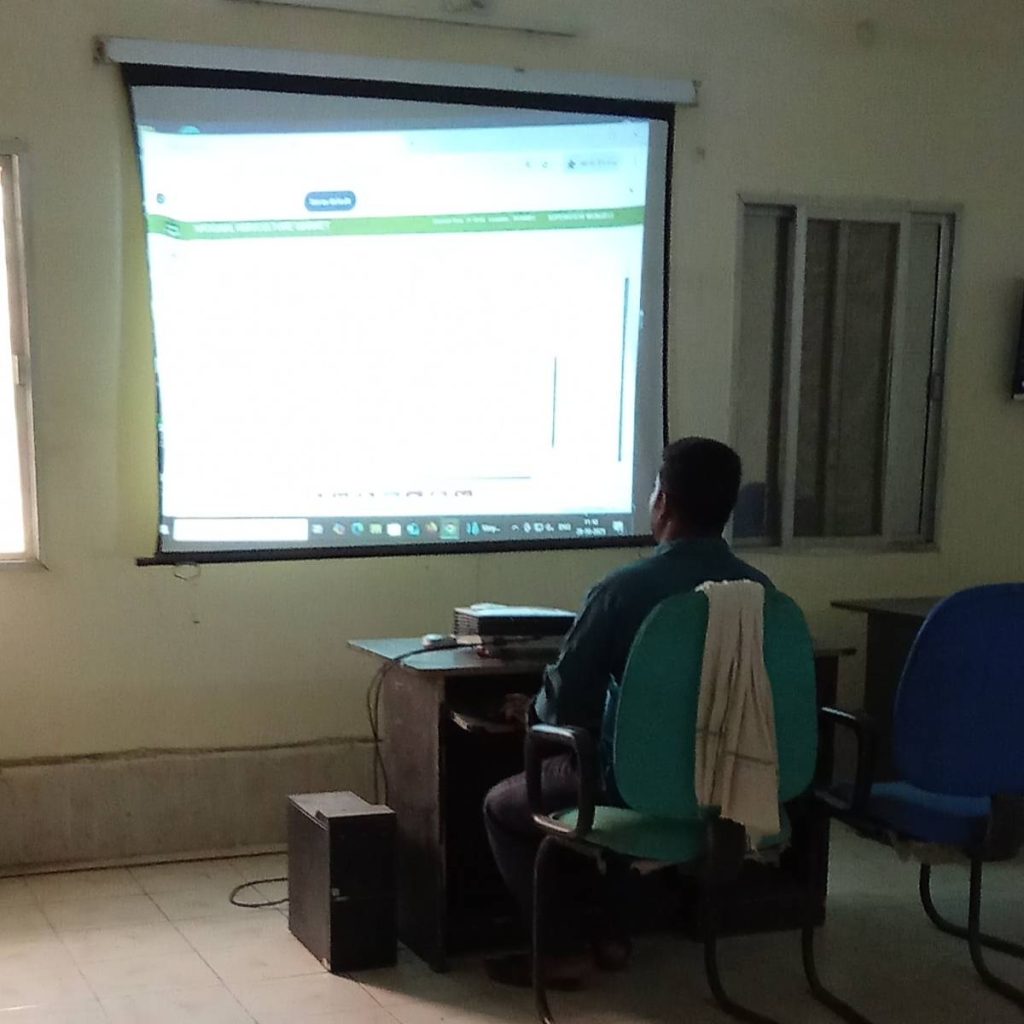
In 2022, under AgriStack, the government introduced digitalisation in agriculture, and every land-owning farmer, irrespective of their landholding, had to obtain a digital identity (Farmer ID known as Kisan Pehchan Patra) which links their land to their Aadhaar id. The Farmer id was mandated as essential to access the government operated mandis (wholesale markets), and the various benefits such as crop insurance (PM Fasal Bima Yojana), financial assistance (PM Kisan), input subsidies for fertilizers and pesticides, and loans (Kisan Credit Card scheme). In addition, digital technologies such as mobile advisories, AI‑enabled diagnostics, and data driven extension services are increasingly positioned as instruments for transforming agricultural development. These technologies promise to enhance productivity, reduce input costs, improve market access, and strengthen decision‑making among small and marginal farmers.
Empirical data from our study in Chhattisgarh shows that digitalisation of agriculture has been of little benefit to smallholders. They continue to use traditional ways of cultivation. Marginal farmers are unable to access the mandis because the quantum of production is too small. Yet, they are still forced to register their land in AgriStack. For the small farmers who do access the mandis, digitalisation has meant confronting and navigating a set of digital technologies in which they find themselves enmeshed, which fetches them a bare yearly income of £ 100 to £1000.
Photos credit: C. Sathyamala and the Jan Swasthya Sahyog (JSS) village team members;
All original photos in this series taken with consent.
*Click or hover over images to reveal the captions*
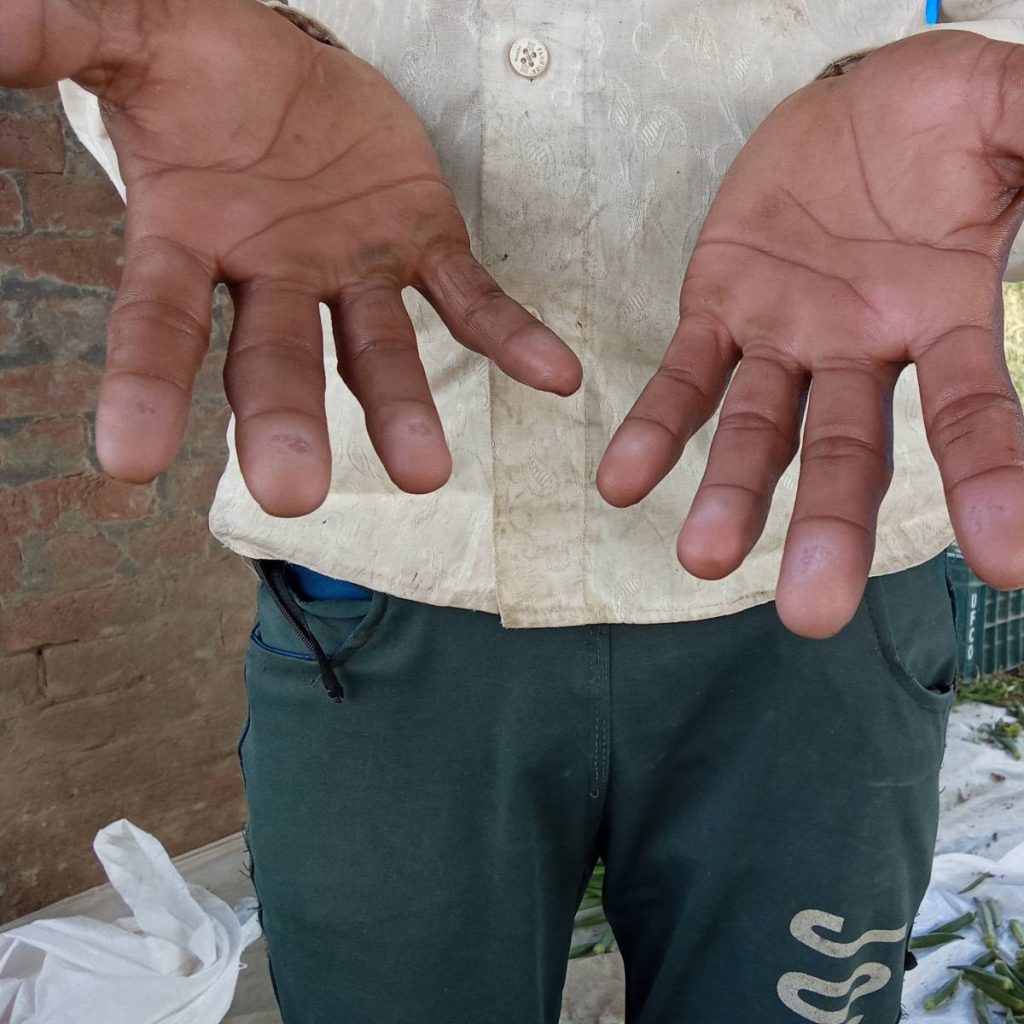
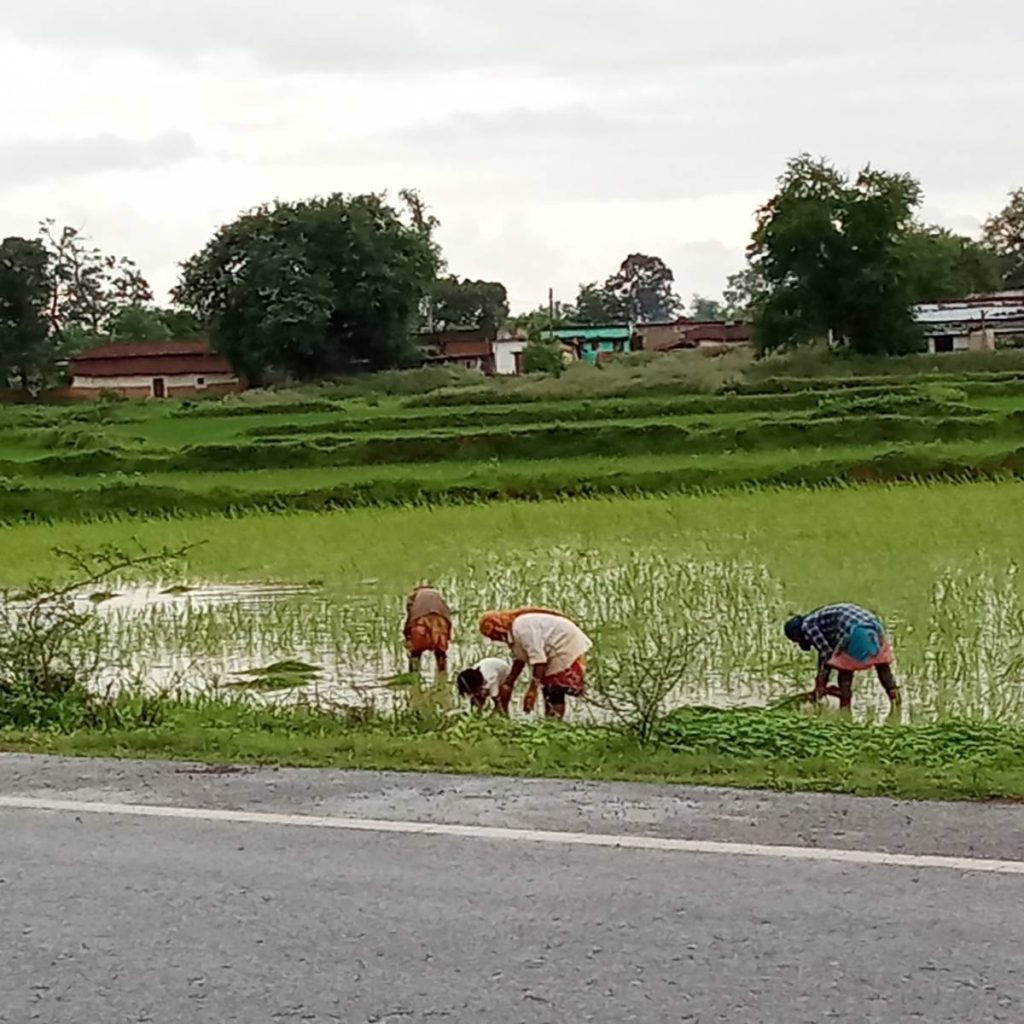
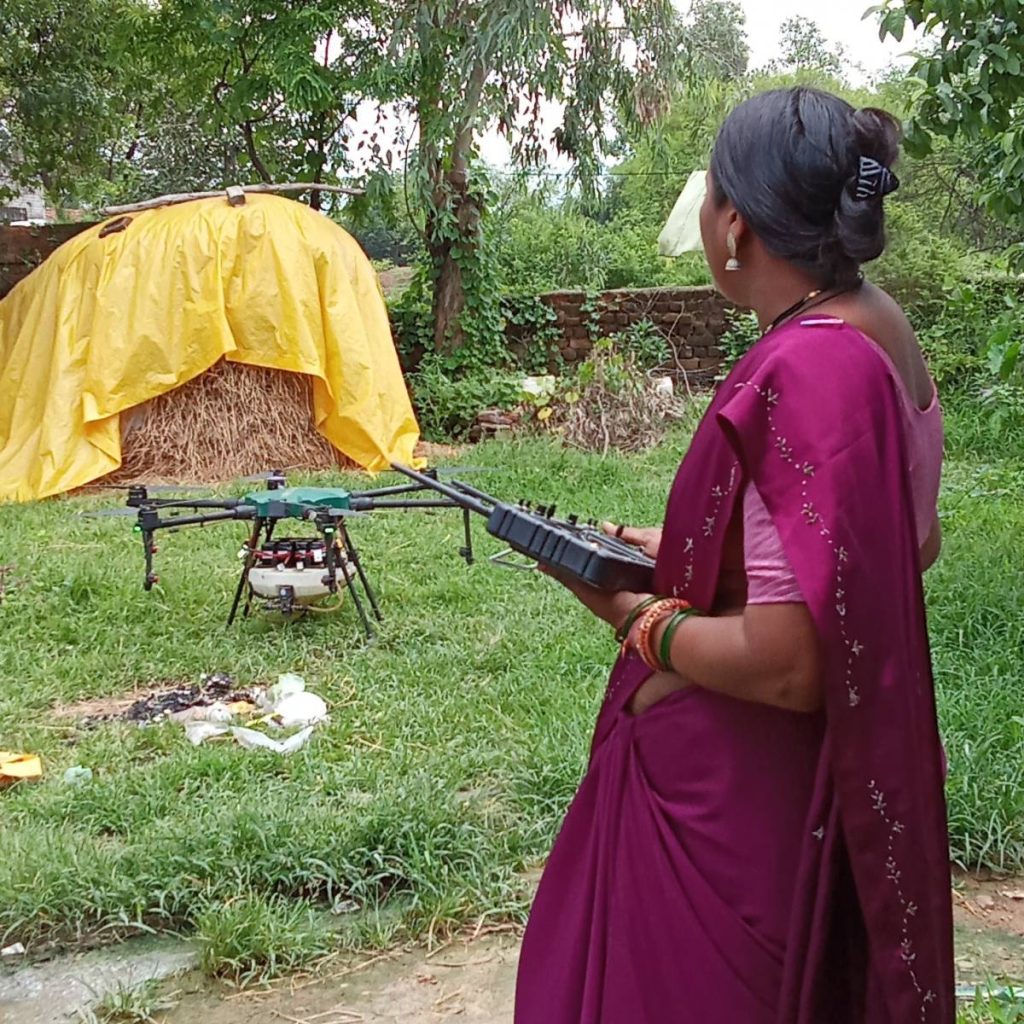
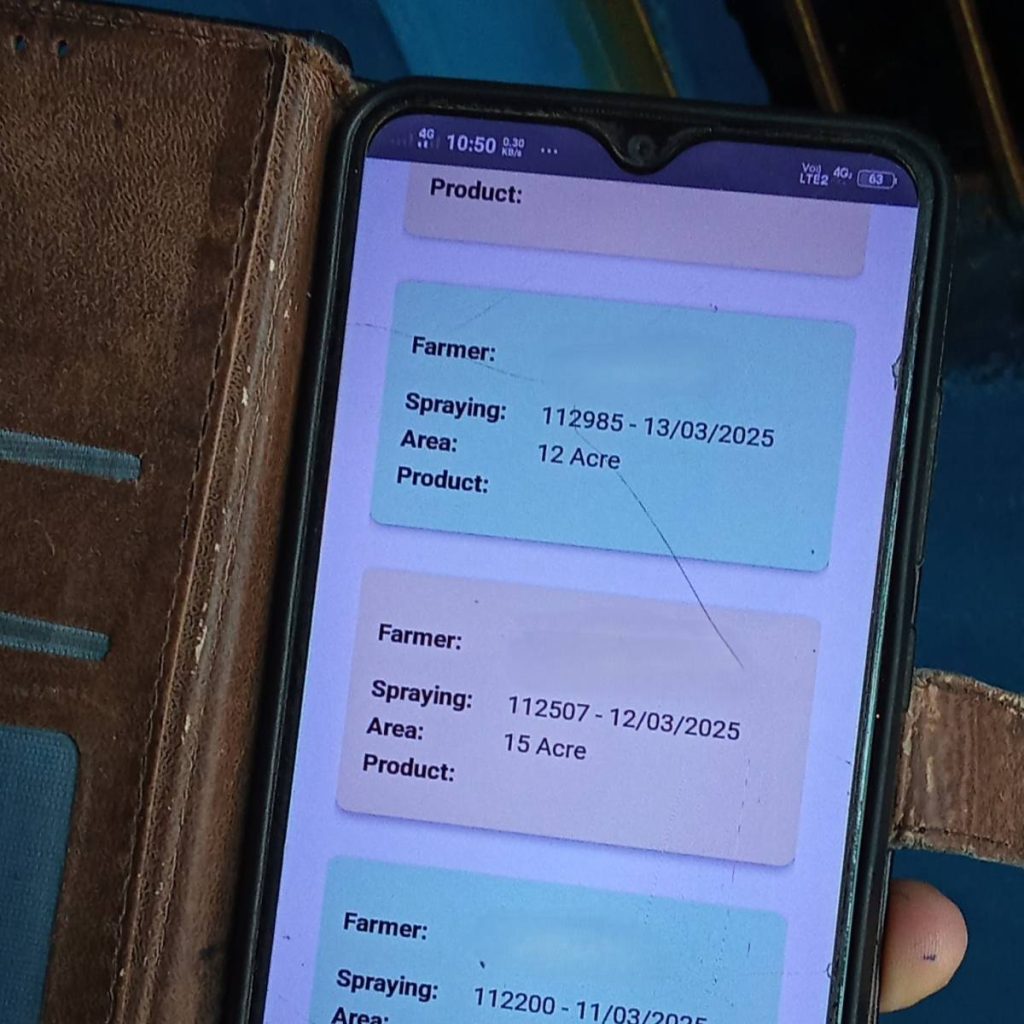
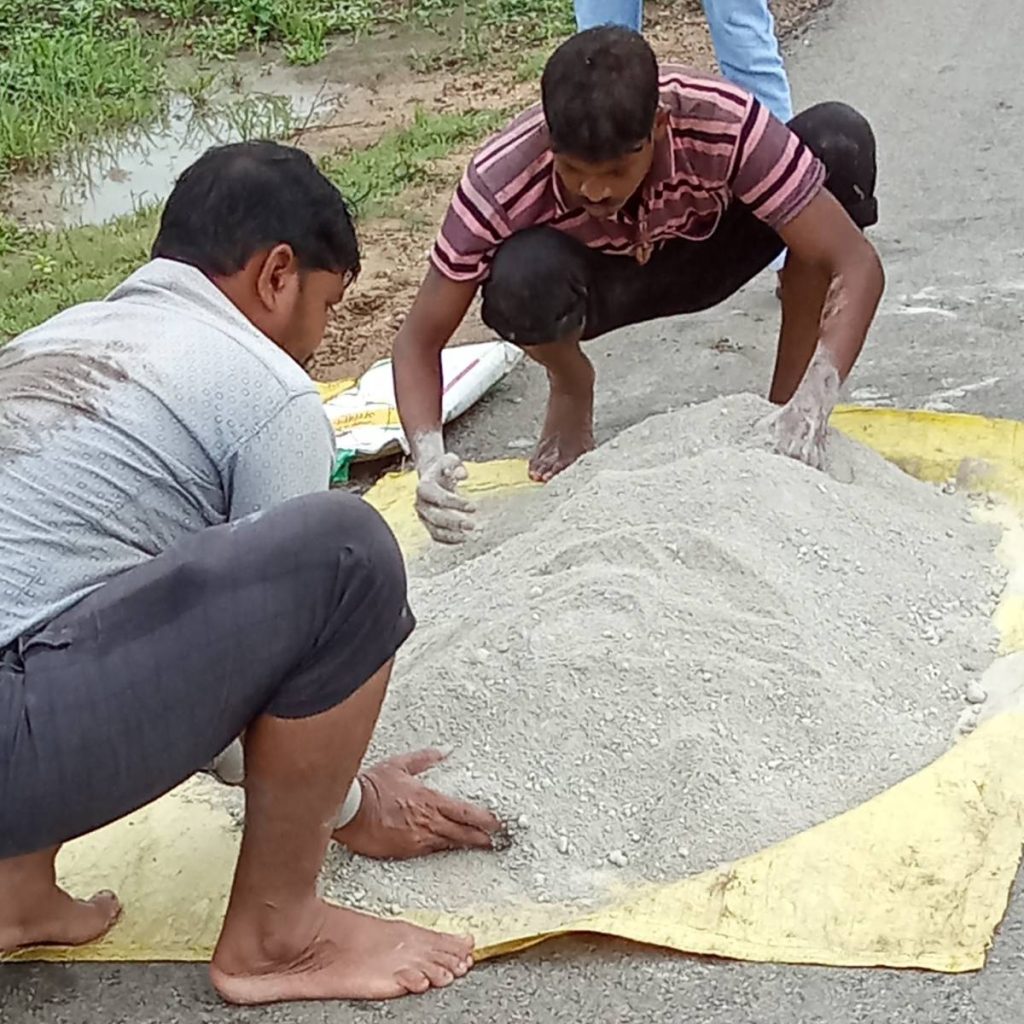
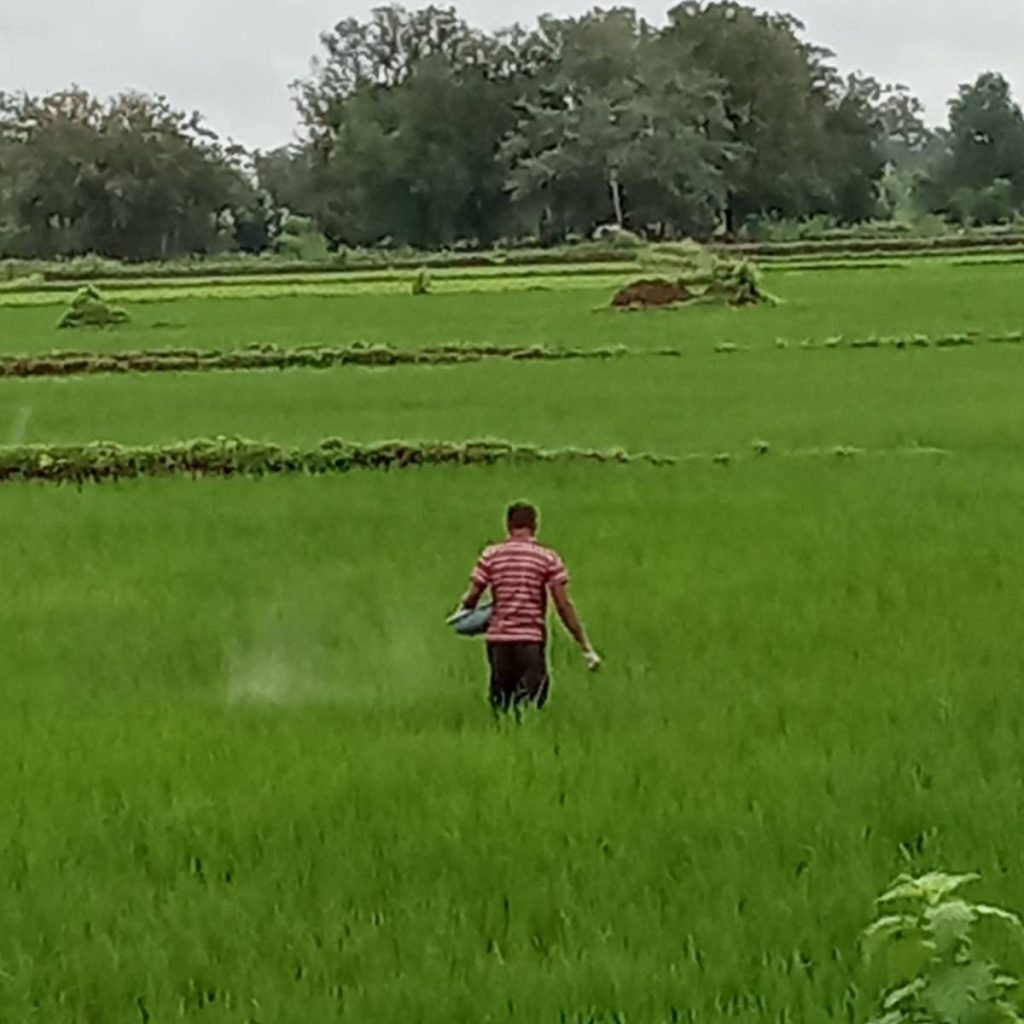
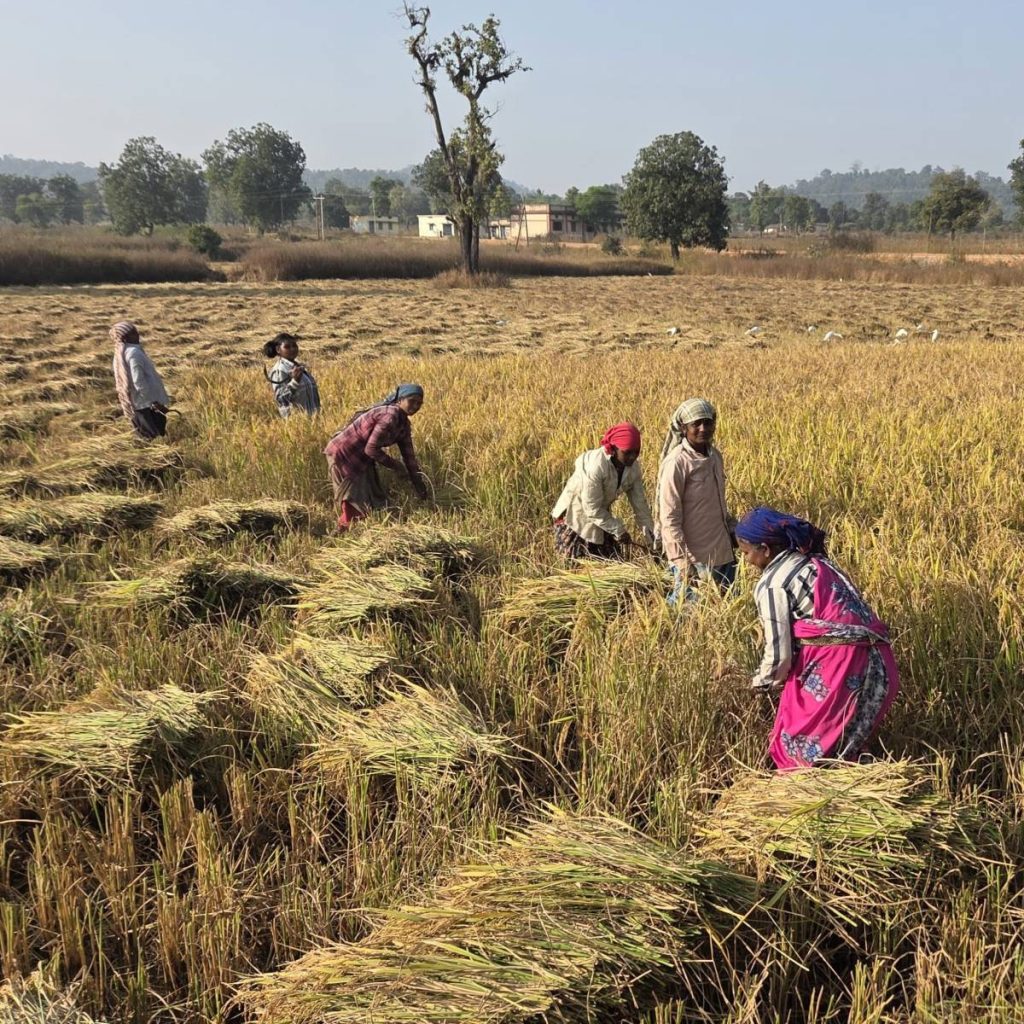
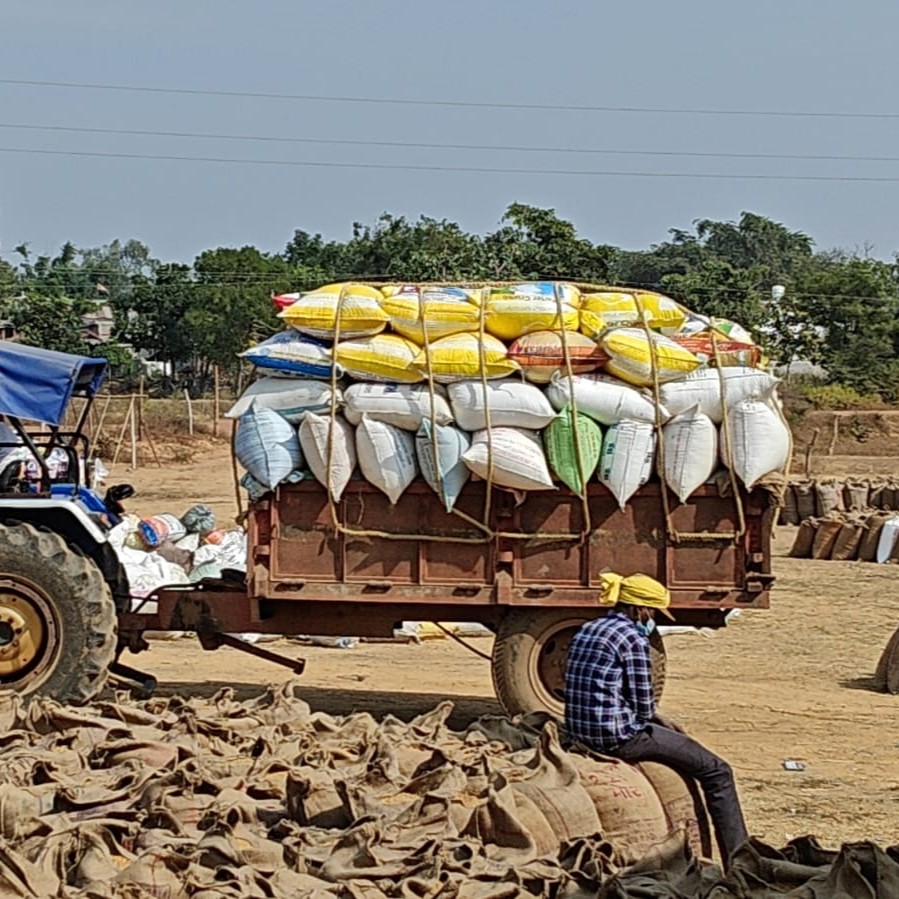
In India, marginal farmers (< 1 hectare of land) and small farmers (1-2 hectares of land) own 86% of the total agrarian holdings. In the state of Chhattisgarh two-third of the farmers belong to this category. Despite the introduction of digital technology in agriculture these farmers continue to use manual labour to cultivate their land. Although drone technology for spraying fertilizers and pesticides was introduced to increase efficiency and reduce cost in terms of labour, it is economical only for large farms.
An electronic handshake
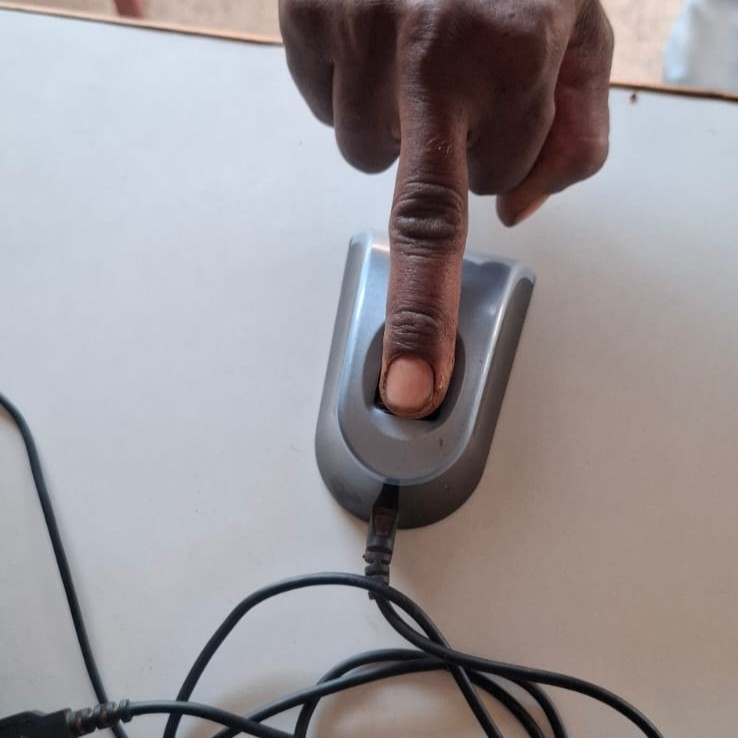
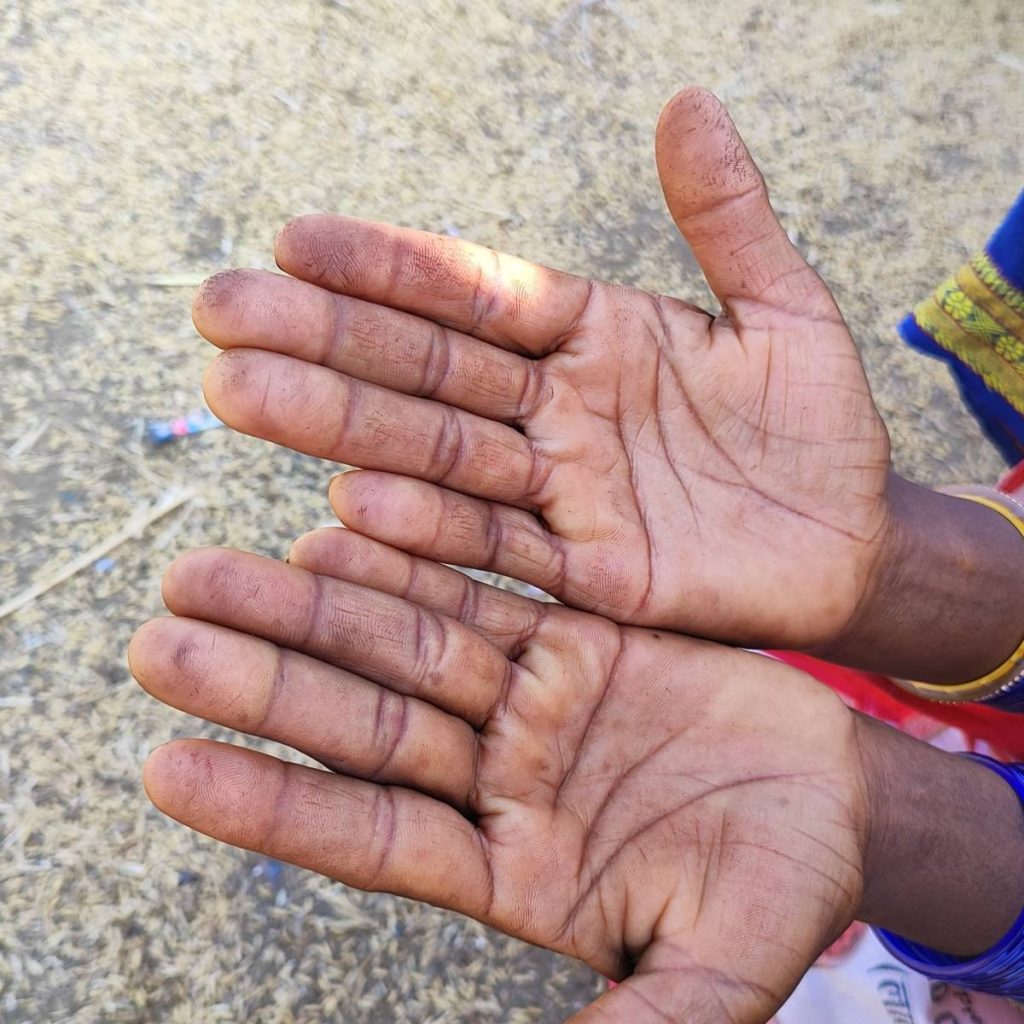
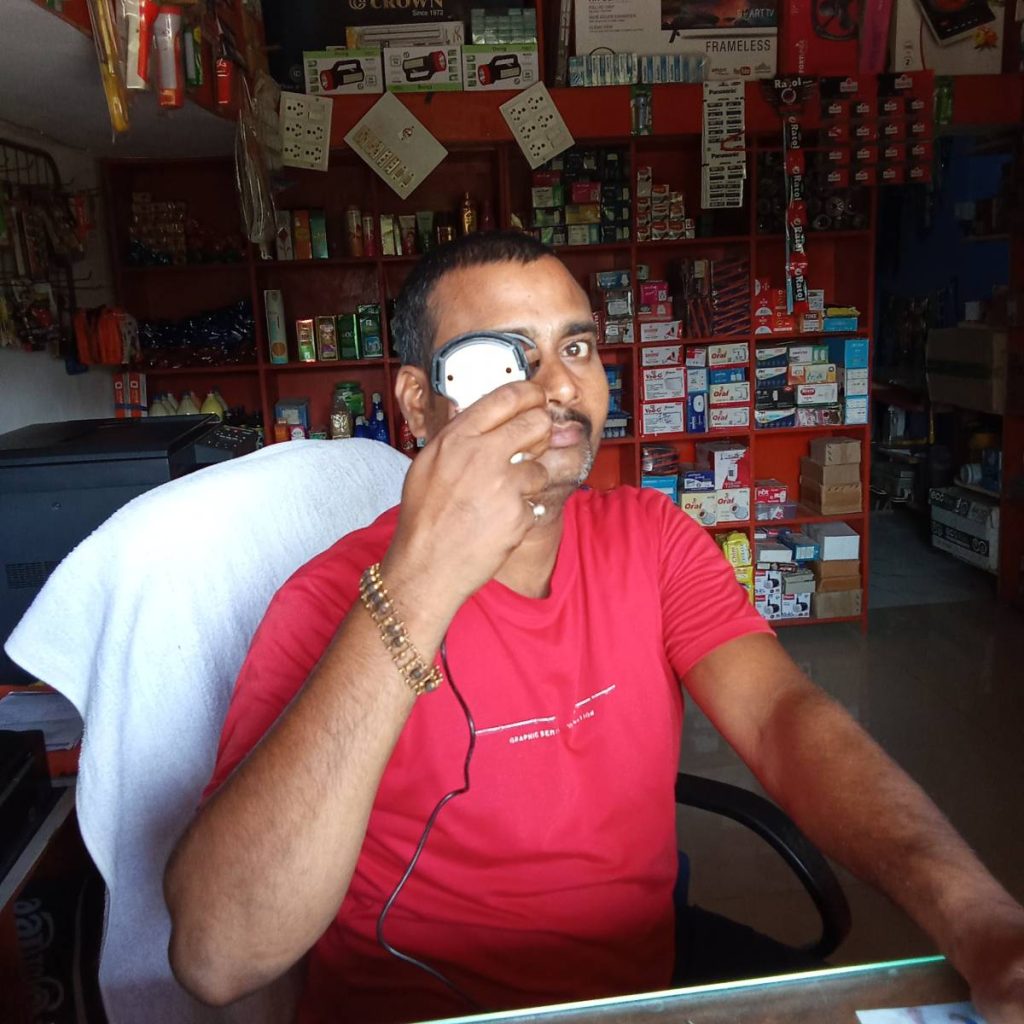
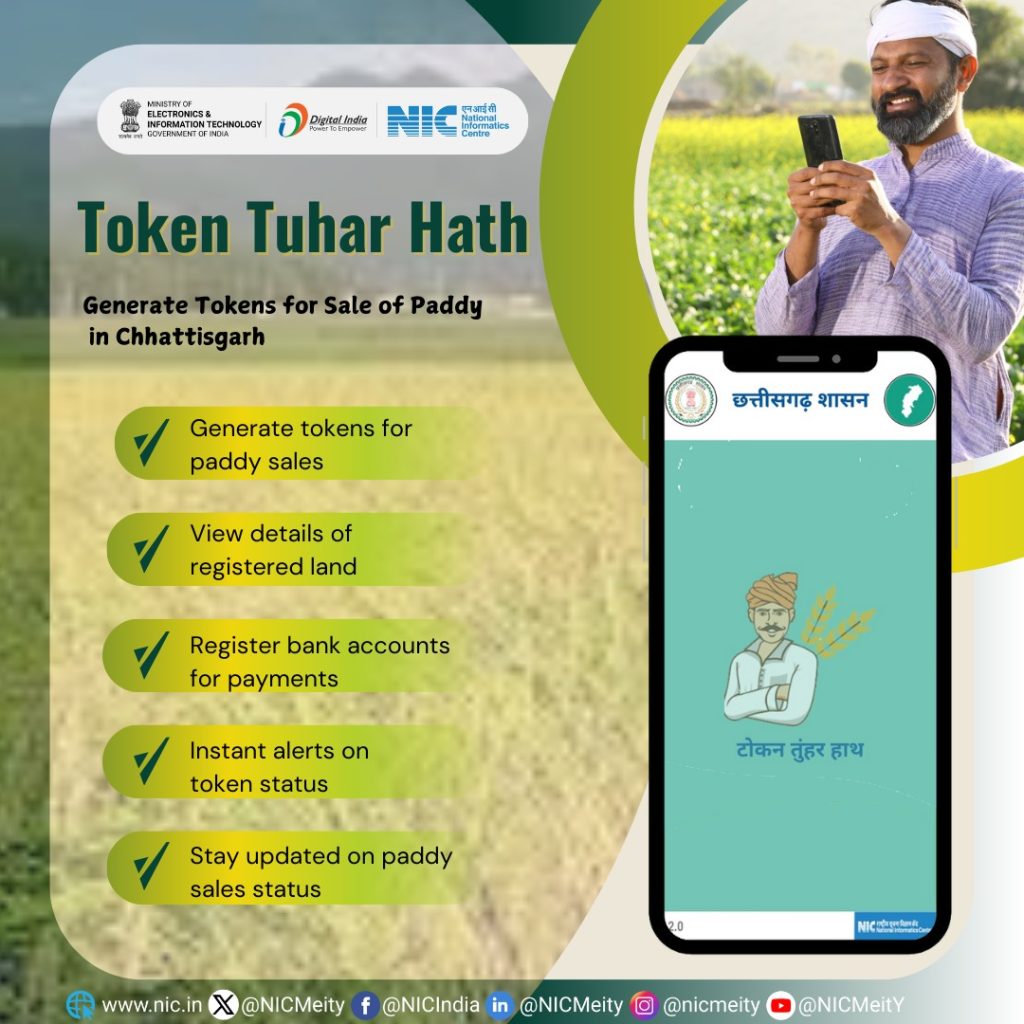
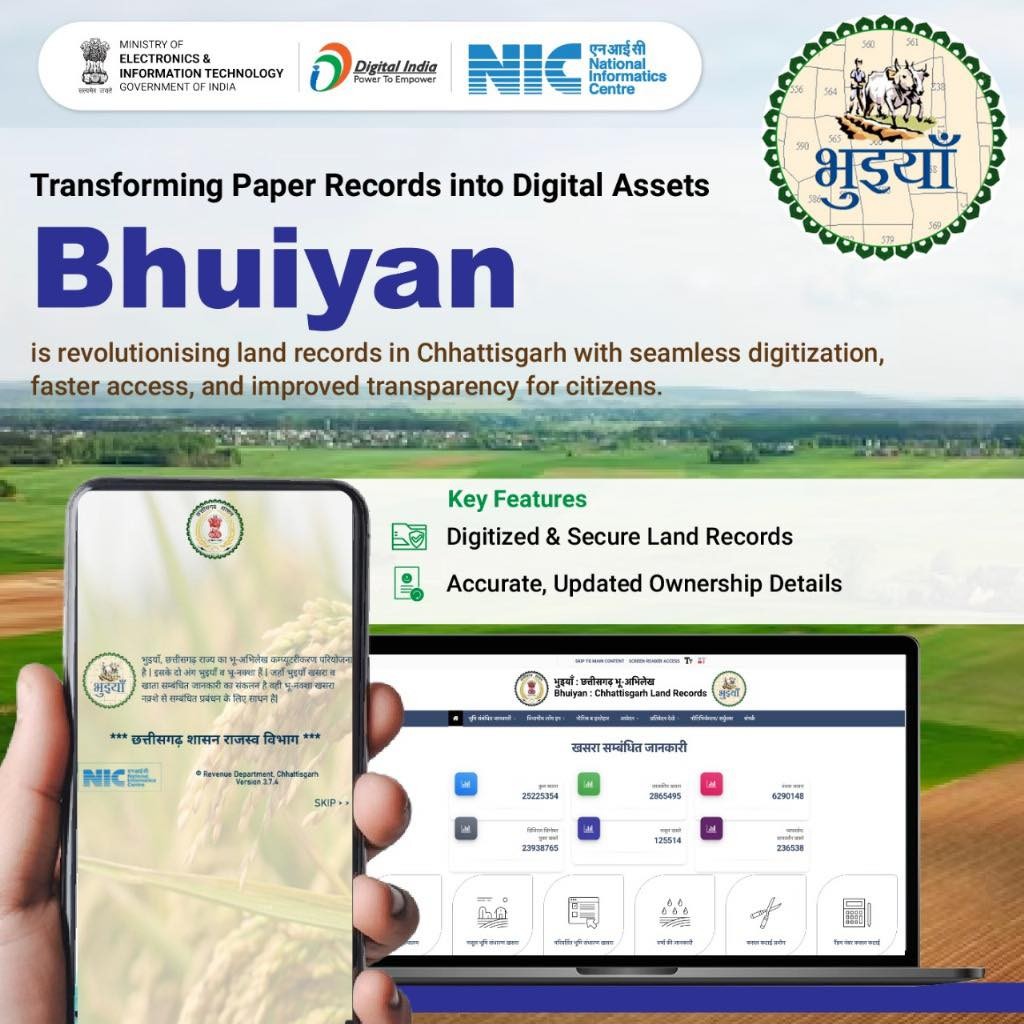
Once the farmer reaches the mandis (wholesale markets) operated under the government, a digital key links the farmer to four pillars of digital interconnection and departments (Revenue, Bank, Procurement/ milling and distribution). This allows the seamless flow of the farmer’s data through all the departments/portals. It requires the 12-digit biometric Aadhaar card, the ten digit Kisan card (Farmers id card), the Bhuiyan app which provides details of land record and a bank account. Biometric authentication (either with fingerprint or iris scan) n acts like an ‘electronic handshake’ between a beneficiary and the entire digital network connecting the four portals. Online trading also takes place in the government managed mandis but this is accessed only by farmers with large landholdings.
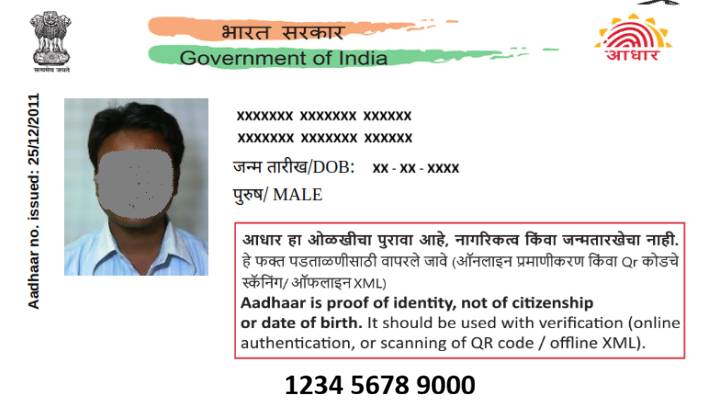

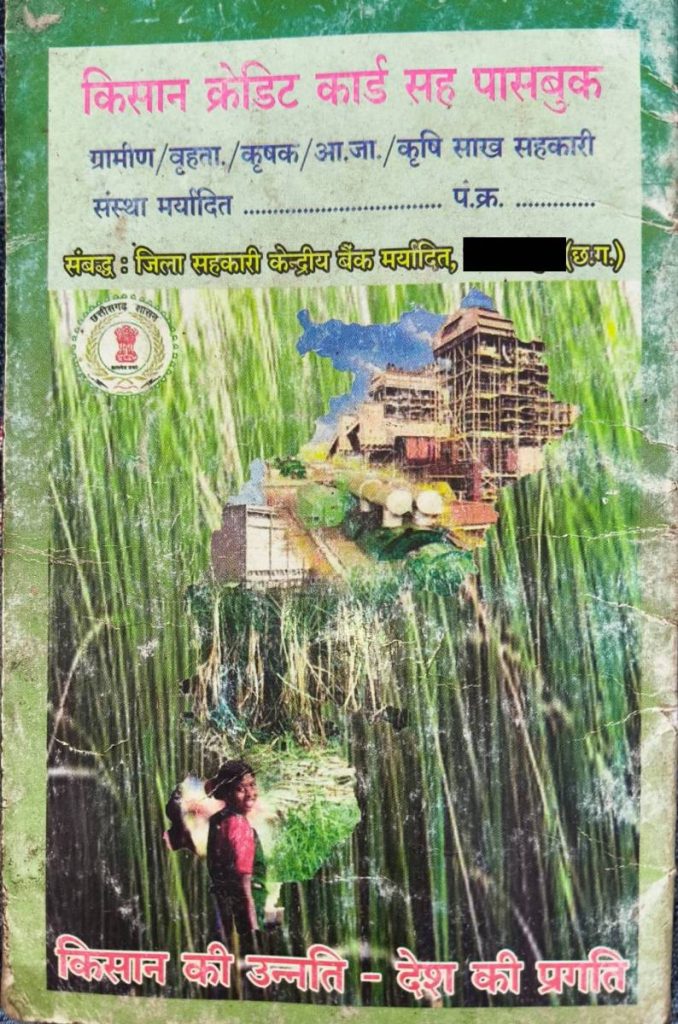
The payment from sale of the grain (paddy) is deposited in the account in a bank. The Kisan credit card and passbook of the bank account of the landholding farmer is linked to their Aadhaar number and Farmer id