A major 3-year ESRC- funded project examining how digitalising food assistance has influenced access to food for marginalised populations and its role as a source of power. We’re working in Sudan, India and the UK. The project is situated in the SOAS Food Studies Centre.
Latest News
Press
7 July 2026
Over the past year, the team has obtained two separate impact grants from the SOAS ESRC Impact Acceleration Account. These grants are to disseminate findings and maximise impact in London and Birmingham.
Publication
26 June 2026
Political economy and experiences of digitalised food assistance
This working paper presents findings for the second, in-depth phase of the research in Sudan. It focuses on the experience of marginalised populations in different parts of the country, as well as how digital food assistance practices interact with political and economic processes
Multimedia
8 June 2026
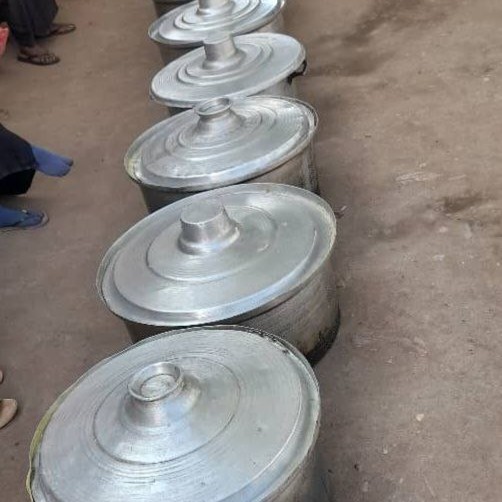
This photo series by Tamer Abd Elkreem and Susanne Jaspars illustrates how the takaya, or community kitchens, evolved as the main life-saving intervention in Sudan during the war, and the role of social media and digital money transfers to support them.
Multimedia
08 June 2026
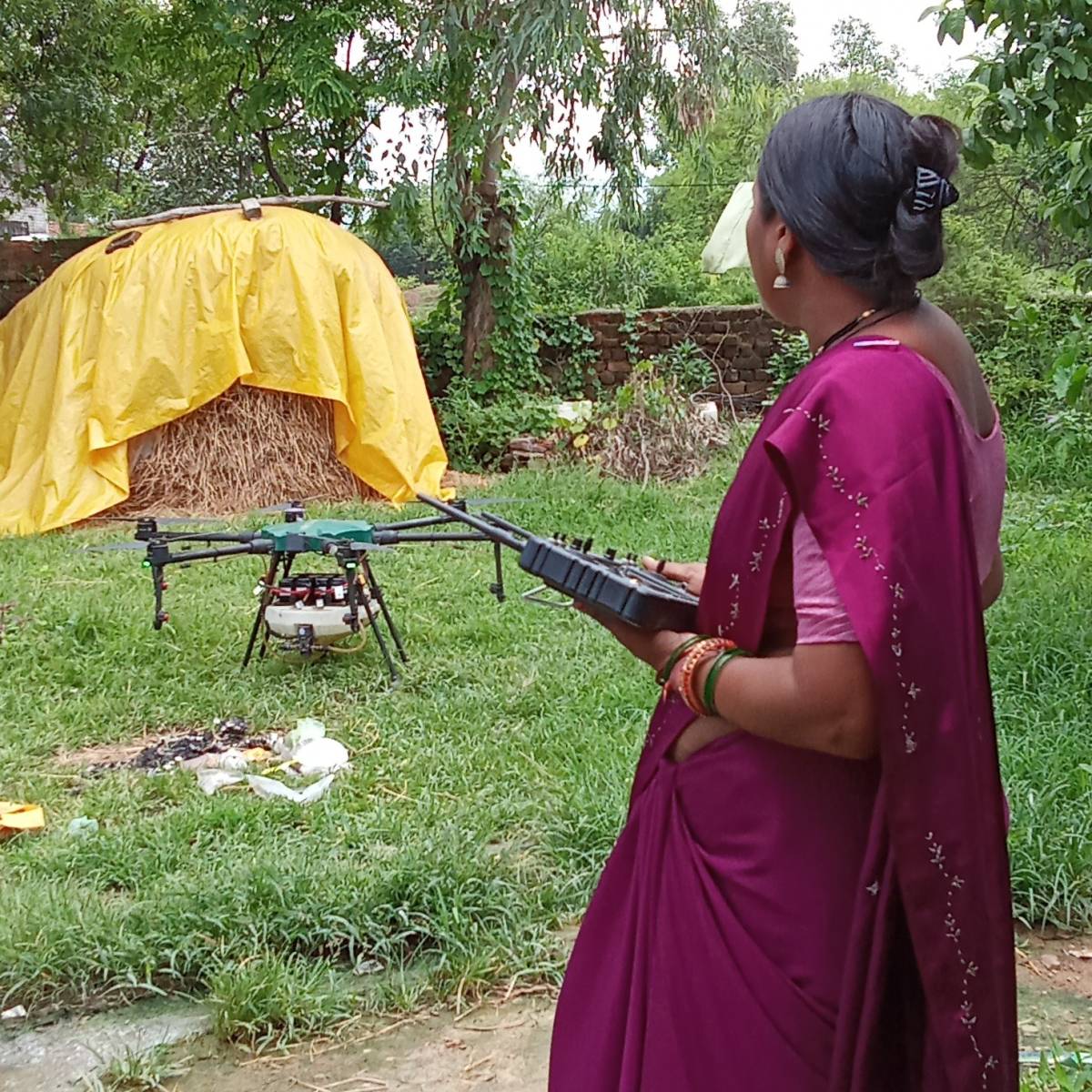
In India, marginal farmers (< 1 hectare of land) and small farmers (1-2 hectares of land) own 86% of the total agrarian holdings. In the state of Chhattisgarh two-thirds of the farmers belong to this category. Digitalisation in agriculture has been positioned as beneficial to this group of smallholders.

Publication
30 May 2026
In May 2026, the team submitted evidence to the Right to Food UK Commission. It highlights how access to food and related welfare support increasingly depends on digital infrastructure, devices, design and skills; and that digital exclusion serves as a barrier to realising the right to food in practice.
Event
12 February 2026
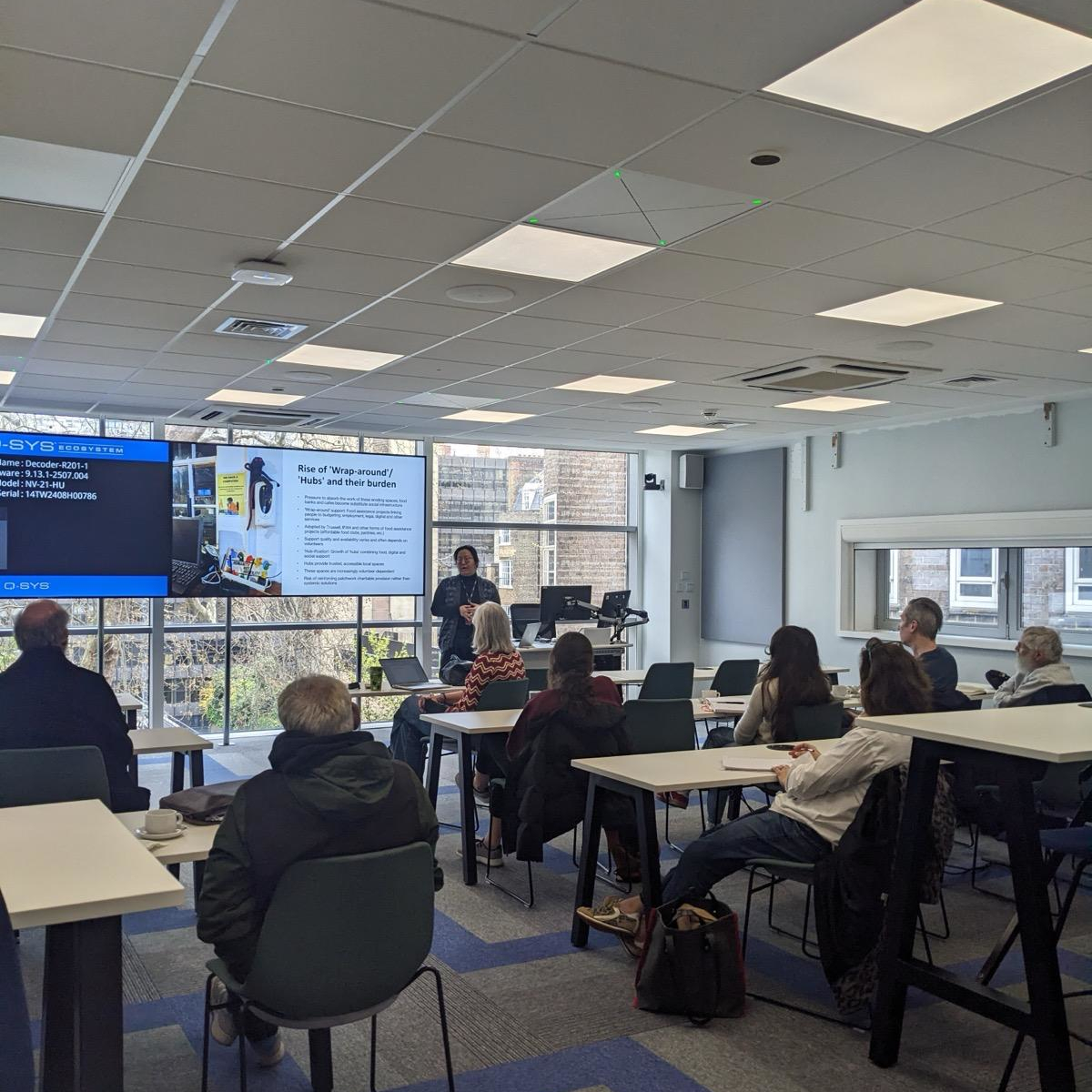
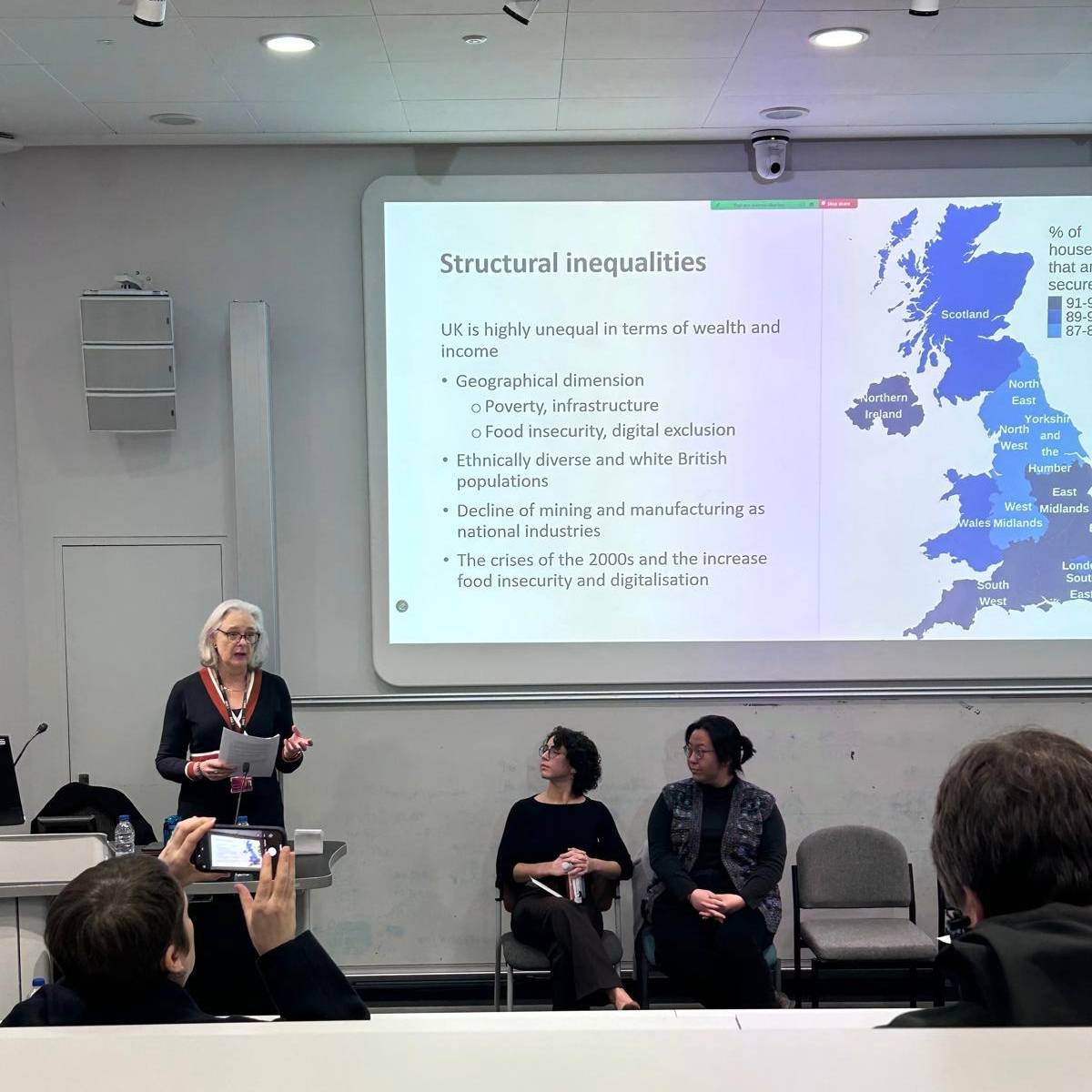
In partnership with The Food Foundation, this hybrid event shared findings of our research on the effects of digitalising food assistance on marginalised populations and on political and economic processes.